Water and wastewater
Reservoirs, tanks and treatment structures exposed to constant moisture and chemical attack.

Anti-corrosion
Industrial coatings
Curing agent
Residential
Anti-corrosion coatings
The inorganic ceramic surface treatment that chemically bonds with concrete and turns its surface into a granite-like skin that resists the causes of corrosion.
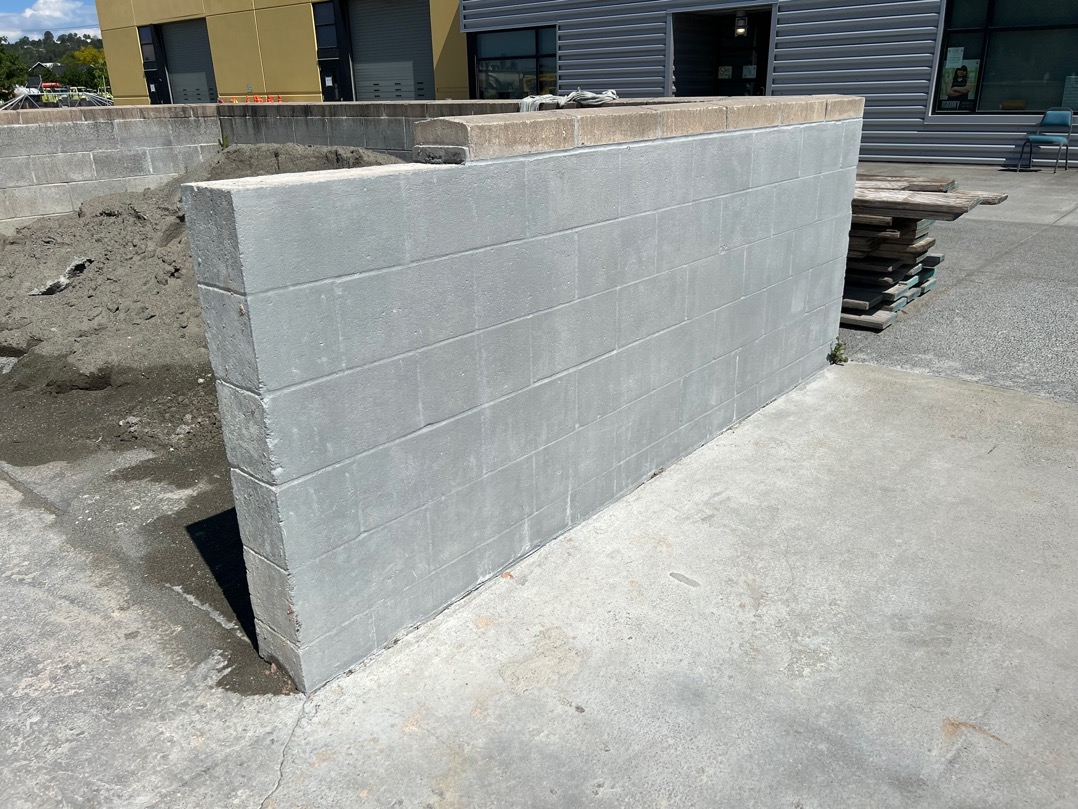
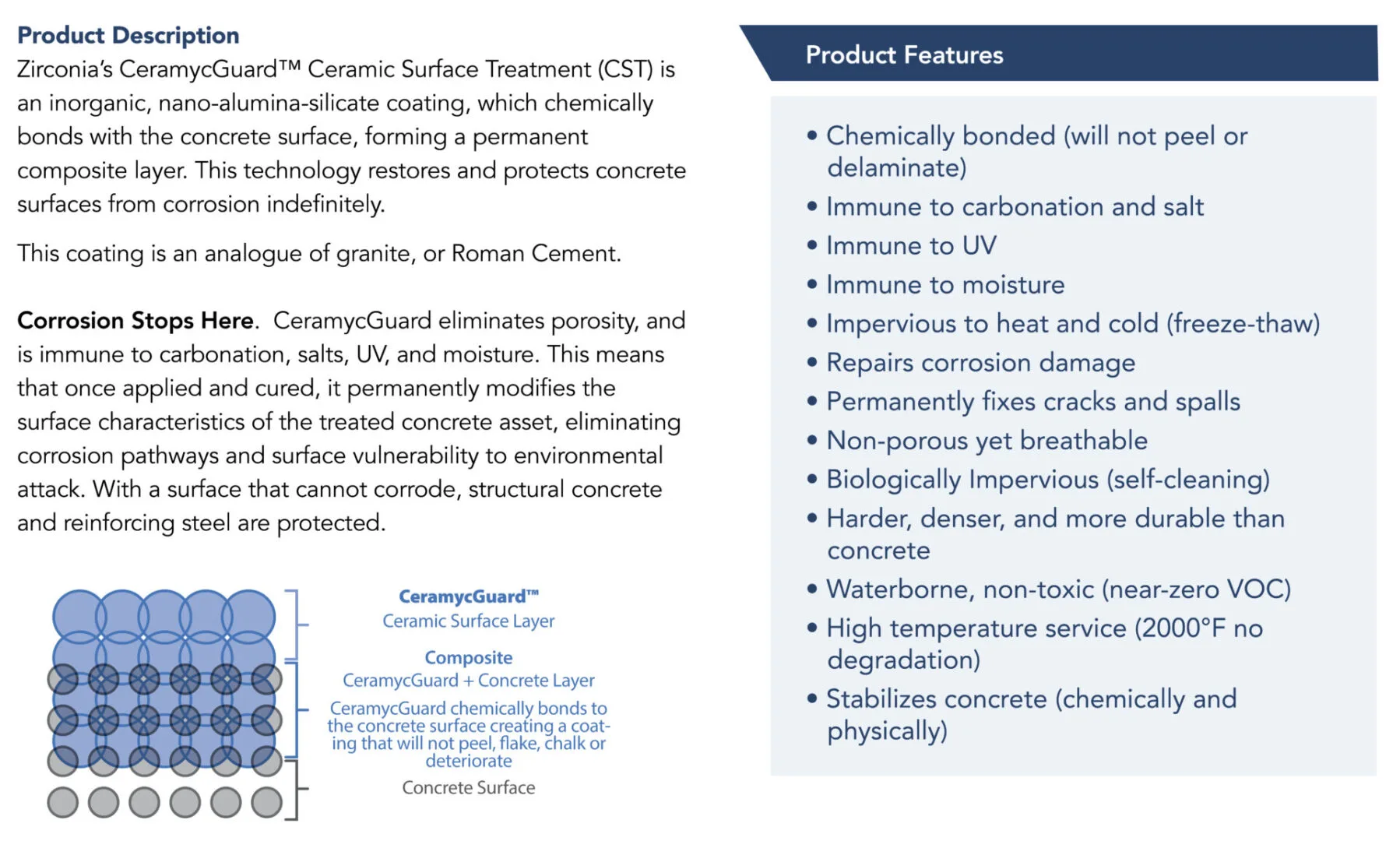
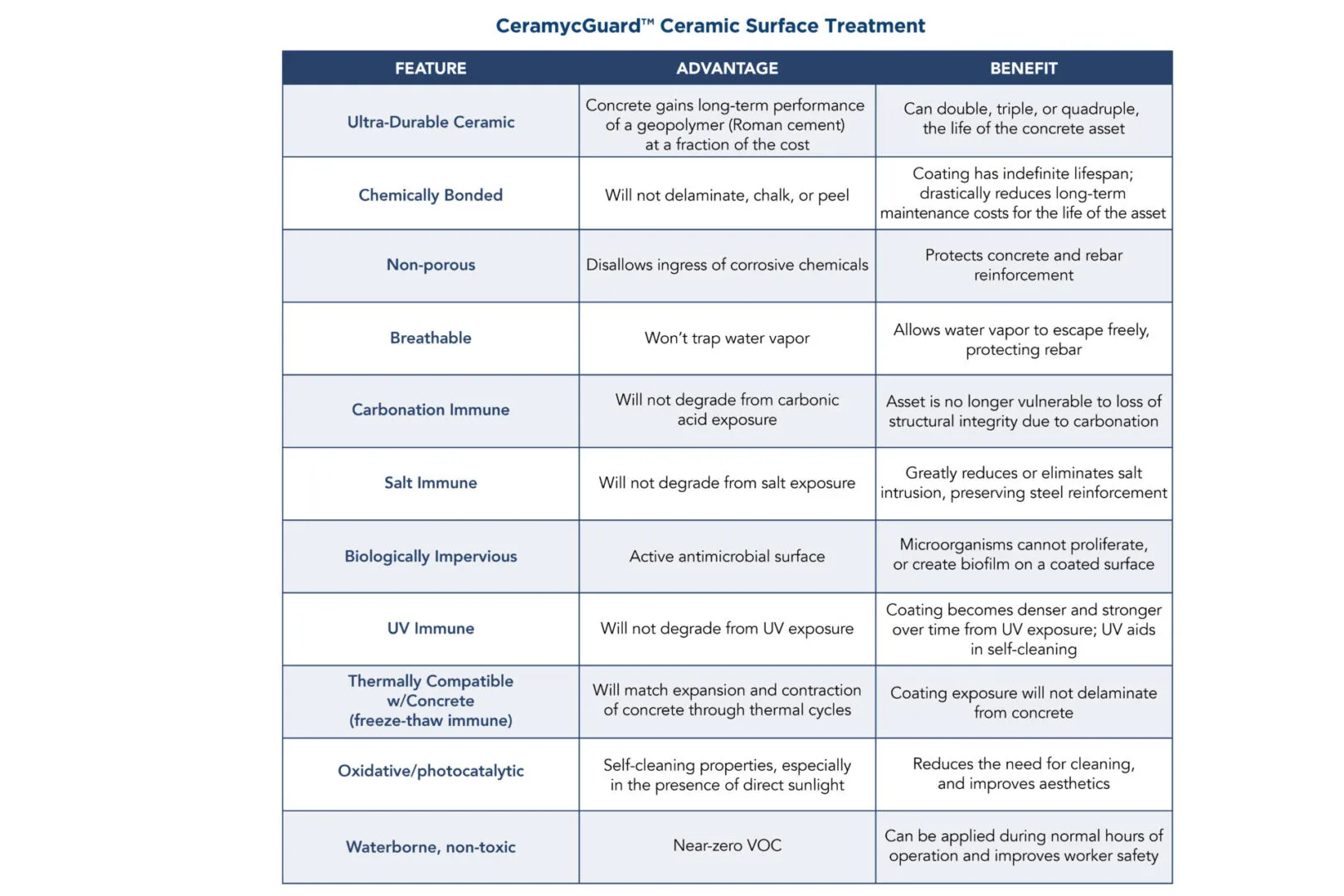
Concrete is porous, and that porosity lets water, salts and carbonation attack the concrete from within, breaking down the cement binder that protects the reinforcing steel. CeramycGuard™ seals the pore network and chemically bonds to the surface, forming an alumina-silicate composite similar in structure to granite. This composite does not delaminate, and it resists the common causes of corrosion.
Applied by brush and roll, it re-bonds cracks up to roughly 5 mm and seals new or existing concrete, restoring and durably protecting the asset for the long term.
Recommended uses
Reservoirs, tanks and treatment structures exposed to constant moisture and chemical attack.
Bridges, decks and structures fighting carbonation, de-icing salts and freeze-thaw.
Concrete in chloride-rich environments where salt drives reinforcement corrosion.
Acid, abrasion and biofilm resistance for demanding production environments.
Download product documentation
Request the technical data sheet or talk to our team about application on your concrete asset.